Emergency Plumbing in Cameron Park
Toilet Overflowing Cameron Park
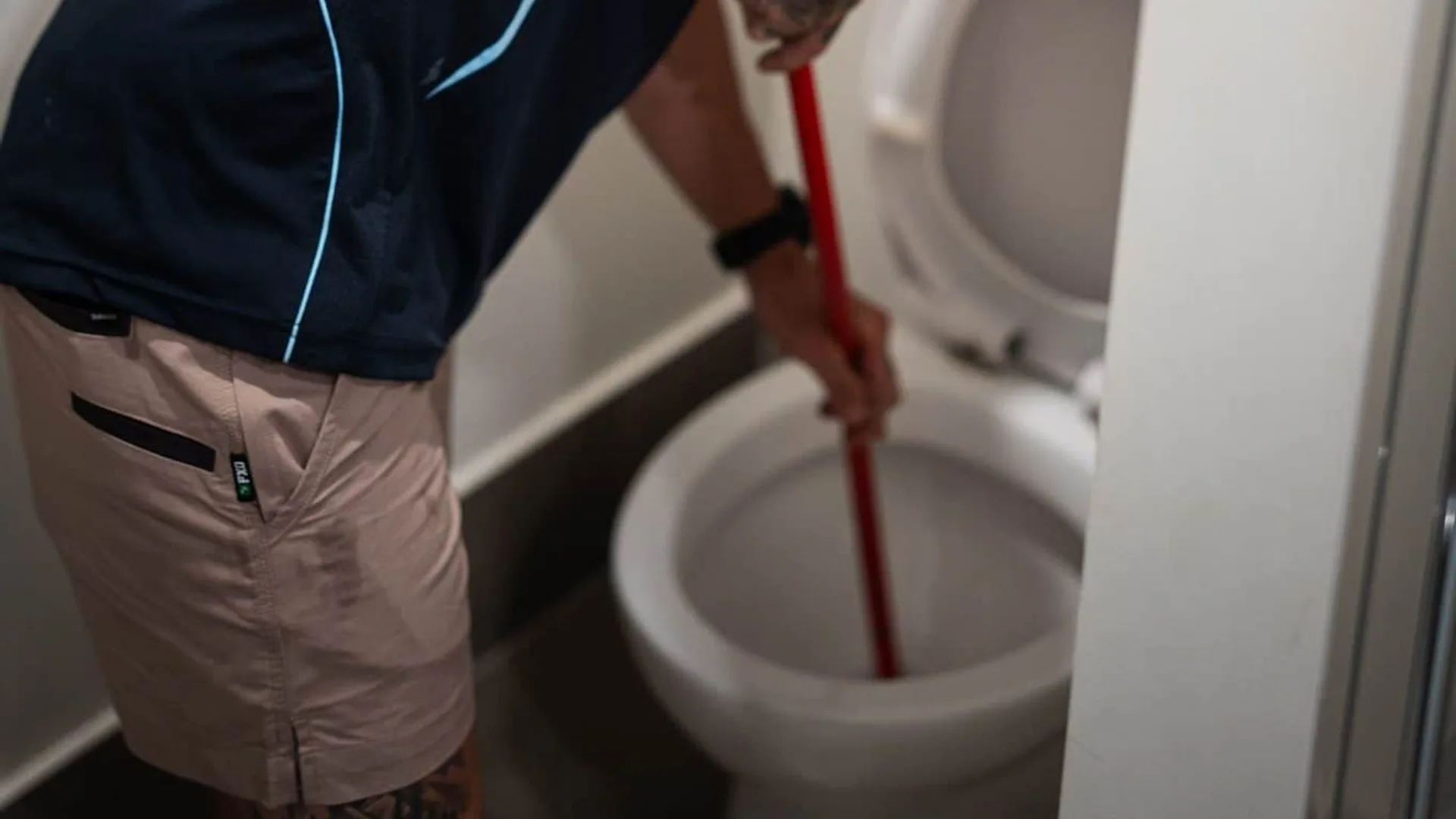
An overflowing toilet means water or sewage is coming up the pan instead of going down, and it only gets worse the longer you keep using the fixtures on that line. It is a stop-using-and-ring situation, not a wait-and-see one.
The plumbers on our emergency plumbing run deal with this fault regularly across Cameron Park, and the first five minutes you spend on it matter more than the next hour.
Why a toilet overflows
Three things cause it, and the simplest to fix comes first.
A blocked pan or trap
A blocked sewer line
A surcharging or flooded line
Here, the sewer blockage is the common one. Nearly every home is a detached brick-veneer house built during the estate rollout from 2005 onward, and those homes went up fast.
Where a line was installed with a flat spot or a rushed joint by a volume builder, paper and solids catch there year after year until the line finally gives up holding them.
What you can safely check first
Act before the plumber arrives and you will often keep the water off your floors. One rule comes before everything else.
Stop using every fixture on that line. No flushing, no showers, no washing machine, no kitchen sink. Every litre you send down gives the overflow more to push back up with.
Then try these, in order:
Lift the cistern lid and close the flap or button valve
Turn off the supply to the cistern
Check whether the water is clean or dirty
Contain, don't flood-fight
One thing to skip: don't keep flushing to "test" whether it has cleared. Each flush adds water to a line that is already telling you it cannot take it.
When it becomes an emergency
Some overflows are a nuisance. Others are a genuine call-us-now fault, and the difference is what is coming up.
Ring straight away if:
- Sewage is coming up through the pan, shower drain or floor wastes.
- The overflow is spreading across tiled floors toward carpet or skirting.
- More than one fixture is backing up at once, which confirms a line fault rather than a pan fault.
- The bowl rises after rain, pointing at stormwater finding its way into the waste network.
If the fault is a blocked sewer, the drainage side of the job matters as much as the clean-up, and our blocked drains page explains how we find and clear the cause rather than just the symptom.
How the job runs
A toilet overflow gets the same treatment every time, because the sequence is what protects your floors and your family's health.
- 1
Contain and diagnose
The supply is isolated, the pan is checked for a simple trap blockage, and the line is rung out to work out whether the fault is the pan or the sewer.
- 2
Clear the fault
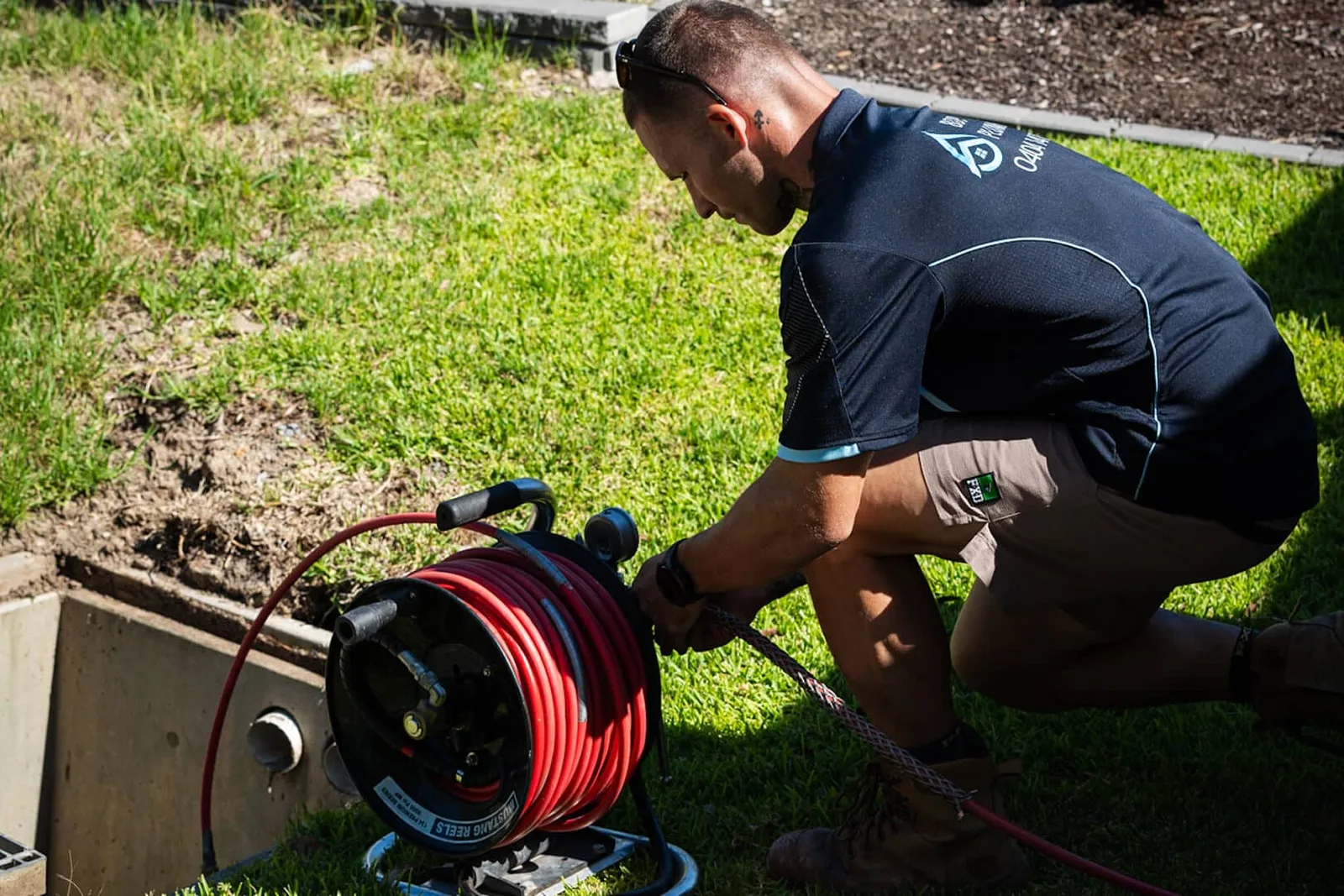
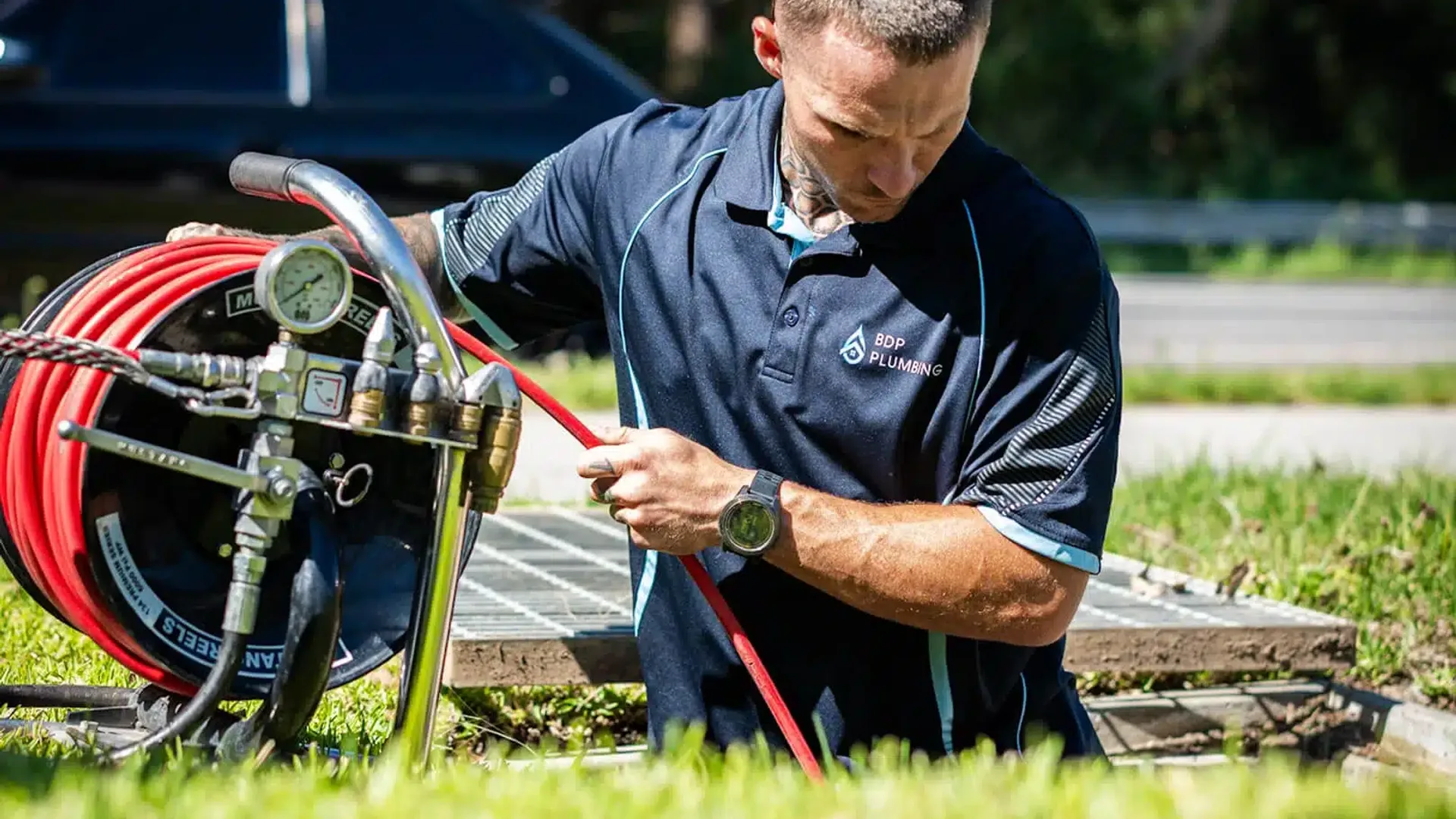
A pan blockage gets cleared on the spot with hand gear. A line blockage gets the jetter or the coil, and the run carries the equipment for both without a second trip.
- 3
Verify and test
The line is flushed and flow-tested before we leave. If the blockage points at something structural, such as a sagging section of pipe from one of those fast build years, the camera comes out and you see exactly what the line is doing.
- 4
Backed, no questions asked
If something isn't up to standard afterwards, we come back and make it right, no questions asked. That's the standard every Cameron Park job is held to.
Why these homes block the way they do
The estate layout explains the pattern. Most houses here sit on compact lots with a single short sewer run to the boundary shaft, so there is very little gradient doing the work.
A line laid with even a slight belly during the rapid build years holds water and solids in that belly, and the toilet at the top of that run is the fixture that suffers first.
Households full of kids add the ordinary causes. The suburb's census profile is young families, averaging 3.1 people per household, and wet wipes and the odd flushed toy keep the pan-side call-outs coming.
Neither cause is anyone's fault. Both are just what this housing stock does.
The upside of uniform housing stock is that we know the layouts before we arrive. A plumber who has cleared a dozen of these lines knows where the boundary shaft sits, where the builder shortcuts usually are, and which repairs hold and which do not.
What it costs
Turning up costs nothing. The $0 call out applies to every job, and you get the price in writing before any tool comes out.
A simple pan clearance is the least expensive call we attend. A sewer line clear with the jetter costs more, and if the camera finds a structural fault, you see the footage and the repair options priced before anything starts.
Ring (02) 4063 3450 and describe what is coming up and from where. We'll ask a few quick questions and bring the right gear first time.
Toilet overflow questions we hear
Should I keep flushing to test if the blockage has cleared?
No. Each flush feeds water into a line that cannot take it, and the overflow climbs higher. Stop using the fixtures and ring us instead, because ringing is the one action that helps.
Why does the toilet overflow when nobody has used it?
Because the pan is the lowest point on the waste line, water pushed back finds it first even with nobody flushing. The fault usually sits in the sewer, not the toilet.
Is it safe to clean up sewage myself?
You can contain the spread with towels and rinse hard floors, but wear gloves and keep children away. Anything soft that sewage reached should be washed hot or binned.
Can a cistern fault make the bowl overflow?
Yes, a failed inlet valve or float lets the cistern run continuously, and water rises through the bowl from the top. Closing the stopcock behind the pan stops it instantly.
What if the overflow happens on a lower block?
The lower lots cop runoff from every yard above, so after heavy rain their lines can surcharge before anyone upstream notices. Tell us that pattern when you ring.
Do you also replace the toilet if the pan is finished?
We do. A pan with a cracked base or a worn trap is better replaced than patched, and the new toilet gets quoted in writing before any work starts.
Ready to stop the water rising? Call (02) 4063 3450 and tell us what's happening. $0 call out across Cameron Park, a clear quote before any work starts, and a job that gets made right if it isn't right the first time.
Plumbers in Cameron Park and the suburbs around it